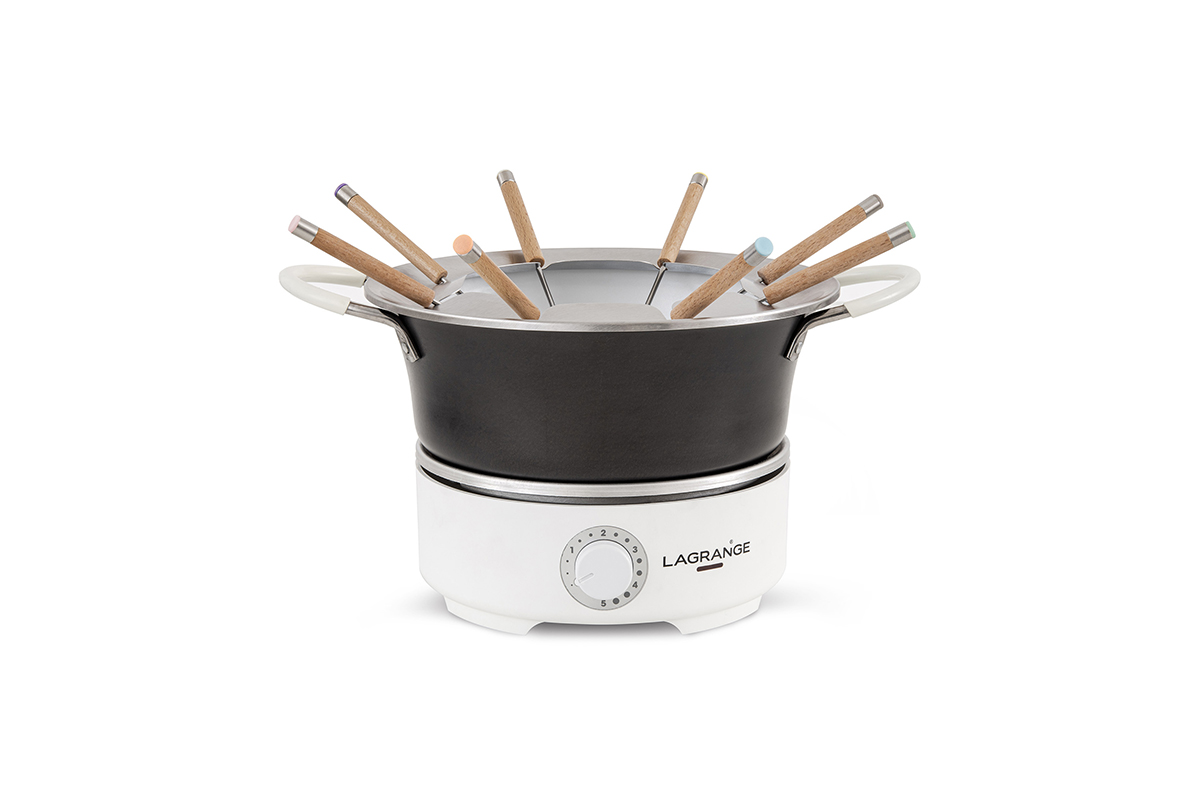
At Lagrange, we understand the importance of choosing the right non-stick coating for your small appliances. Each type of coating has specific technical characteristics that meet particular needs. On this page, you will discover in detail the different coatings we use, their advantages, and their specificities. Explore below information about:
PTFE (Polytetrafluoroethylene) is a polymer compound that was discovered on April 6, 1938, by chemist Roy J. Plunkett (1910-1994) while working on gases used in refrigerant fluids. After checking a sample of frozen and compressed tetrafluoroethylene, he and his colleagues made a surprising discovery: the sample had spontaneously polymerized into a white, waxy solid that became polytetrafluoroethylene (PTFE).
PTFE is inert to virtually all chemicals and is considered to be the most slippery material in the world, making it one of the most important and versatile technological discoveries. Many industries - aerospace, communications, electronics, industrial processes, and architecture - owe some of their important advances to PTFE.
Studies conducted by public health authorities in Europe and the United States have shown the safety of PTFE: even in case of accidental ingestion, PTFE is a substance that poses no danger.
However, PTFE contains PFAS (per- and polyfluoroalkyl substances) which are chemical substances and have in common that they persist in the environment due to the strength of the carbon-fluorine bonds they contain.
There are 2 types of PFAS:
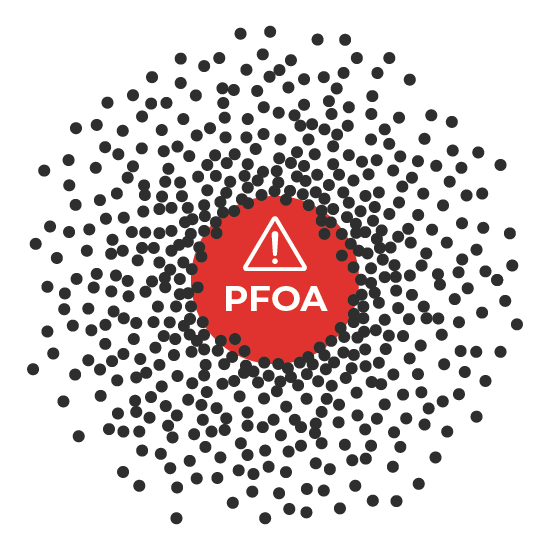
Short-chain 'non-polymer' PFAS: dangerous for health and nature because they substitute certain chemical components of the body and nature and are therefore said to be bio-accumulative. This is the case with PFOA and PFOS which have already been banned by law for several years.
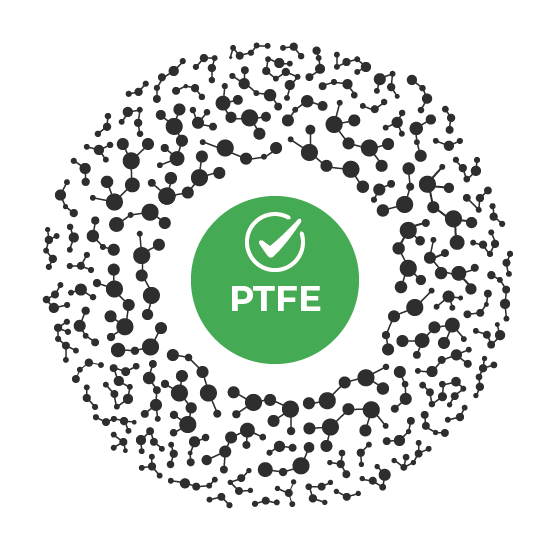
Long-chain 'fluoropolymer' PFAS: inert and non-bio-accumulative, they do not interact with the human body and nature.
Short-chain PFAS
Non-polymeric substances can be problematic because they tend to accumulate in the human body, as is the case with PFOA or PFOS.
Long-chain PFAS
Fluoropolymers do not accumulate in the body. They are chemically inert and are considered safe for human health. This is the case with PTFE coating.
PTFE contains only long-chain PFAS and therefore poses no danger even in case of accidental ingestion.
The danger would only be at the level of misuse in a temperature range that is too high, which could generate dangerous emissions that impact the environment. Everything therefore depends on controlling the cooking temperature, which must not exceed the critical temperature (melting point around 320°C). It is even advised not to exceed 260°C. Unlike a cooking pan, such a temperature cannot be reached on our products with PTFE coating thanks to thermostats that regulate the temperature. Using at a temperature range below 250°C will increase the coating's lifespan.
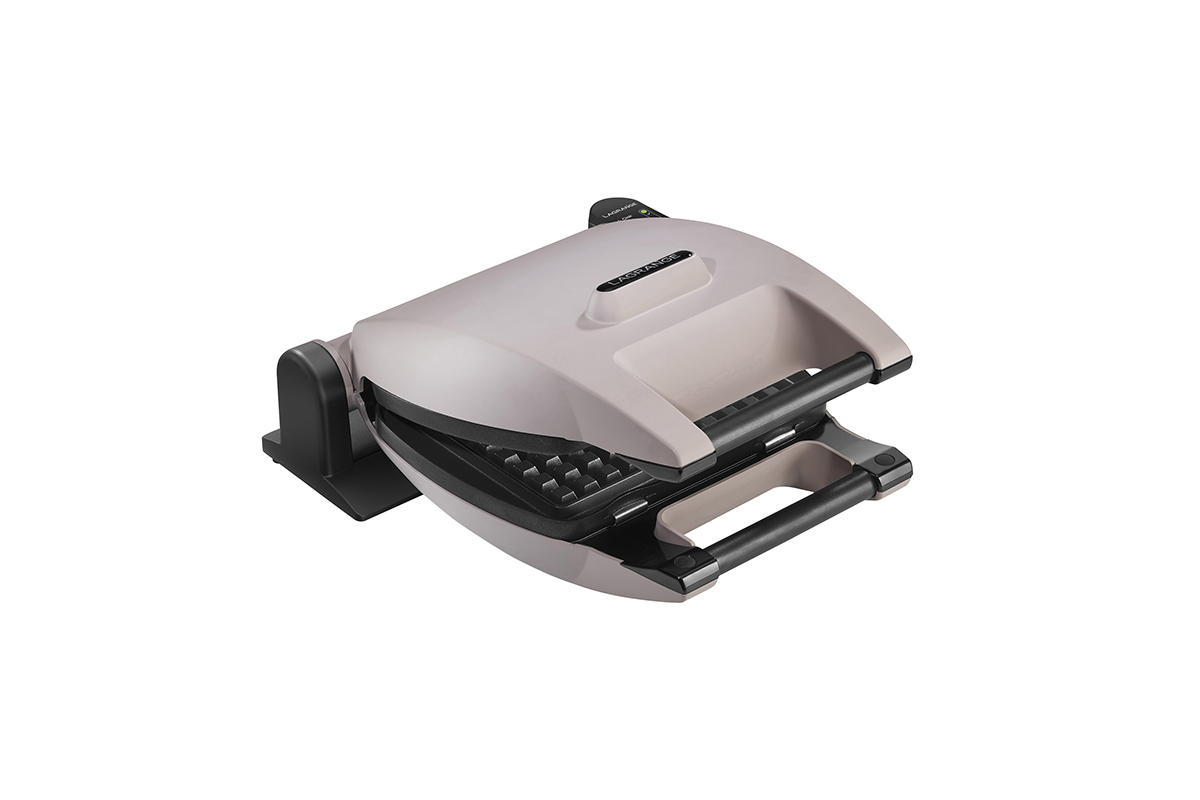
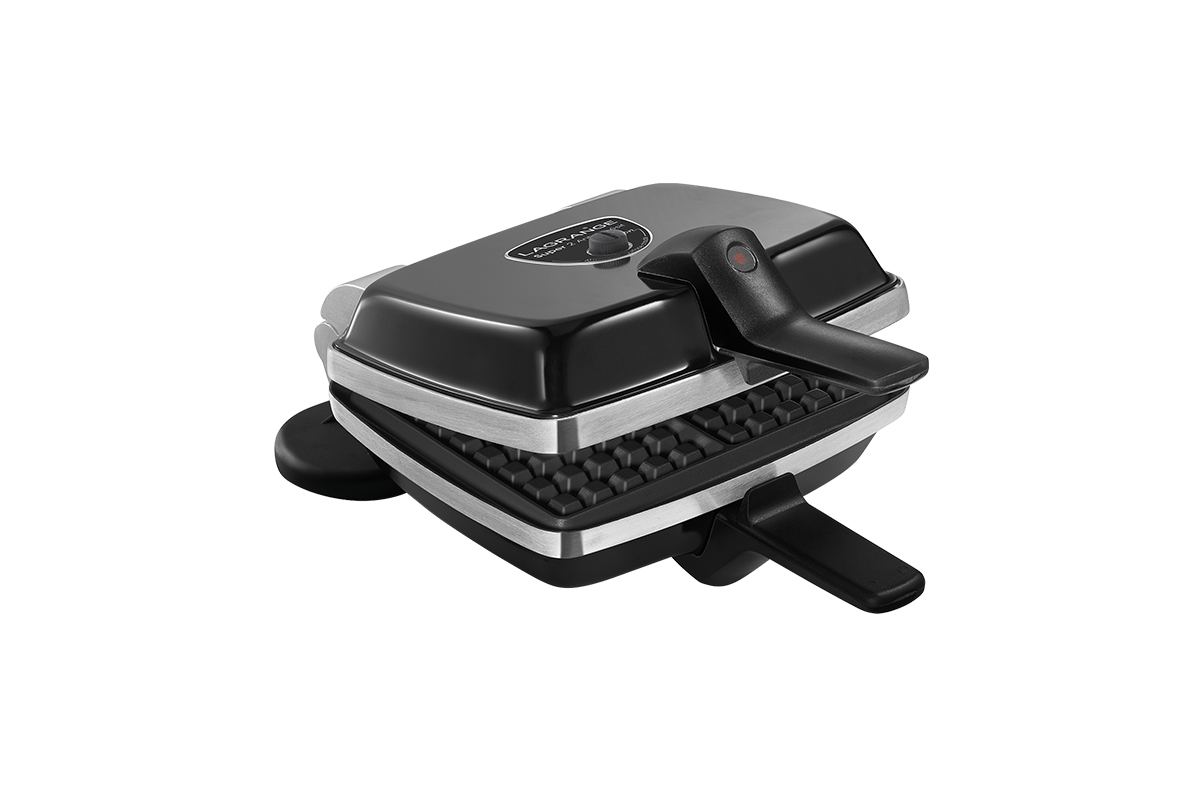
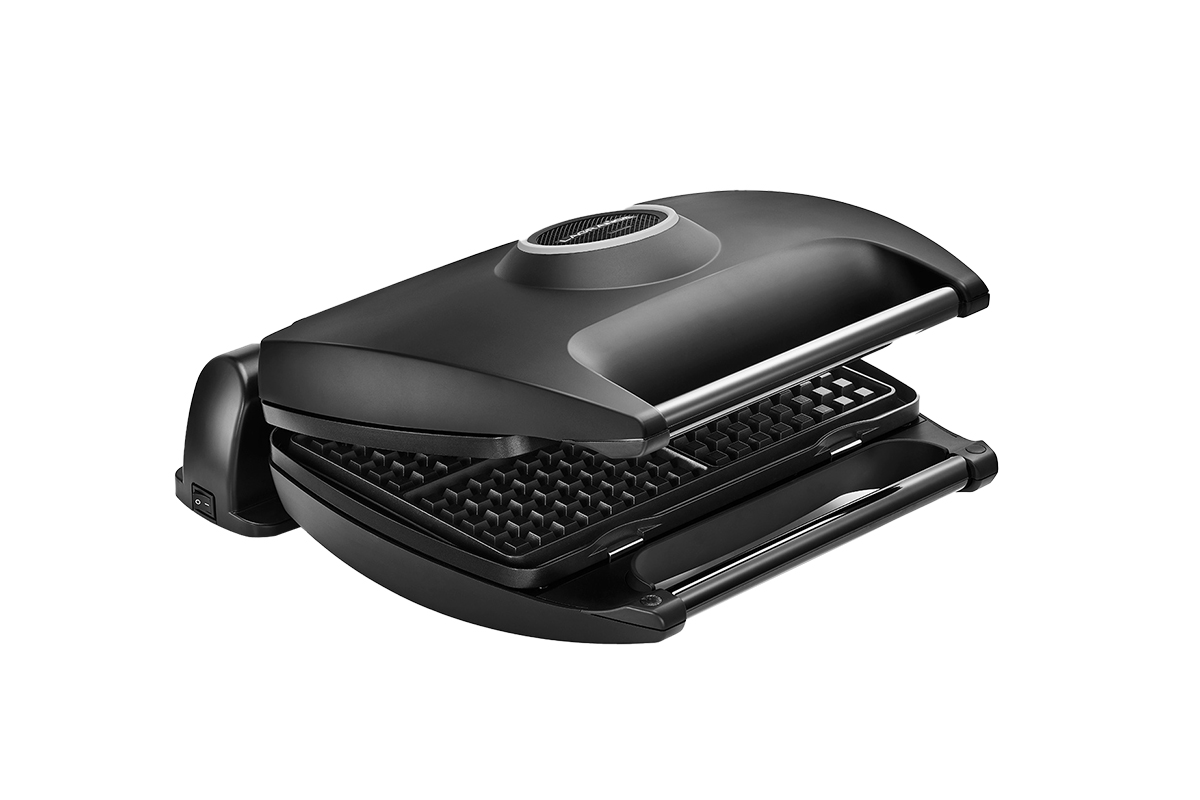
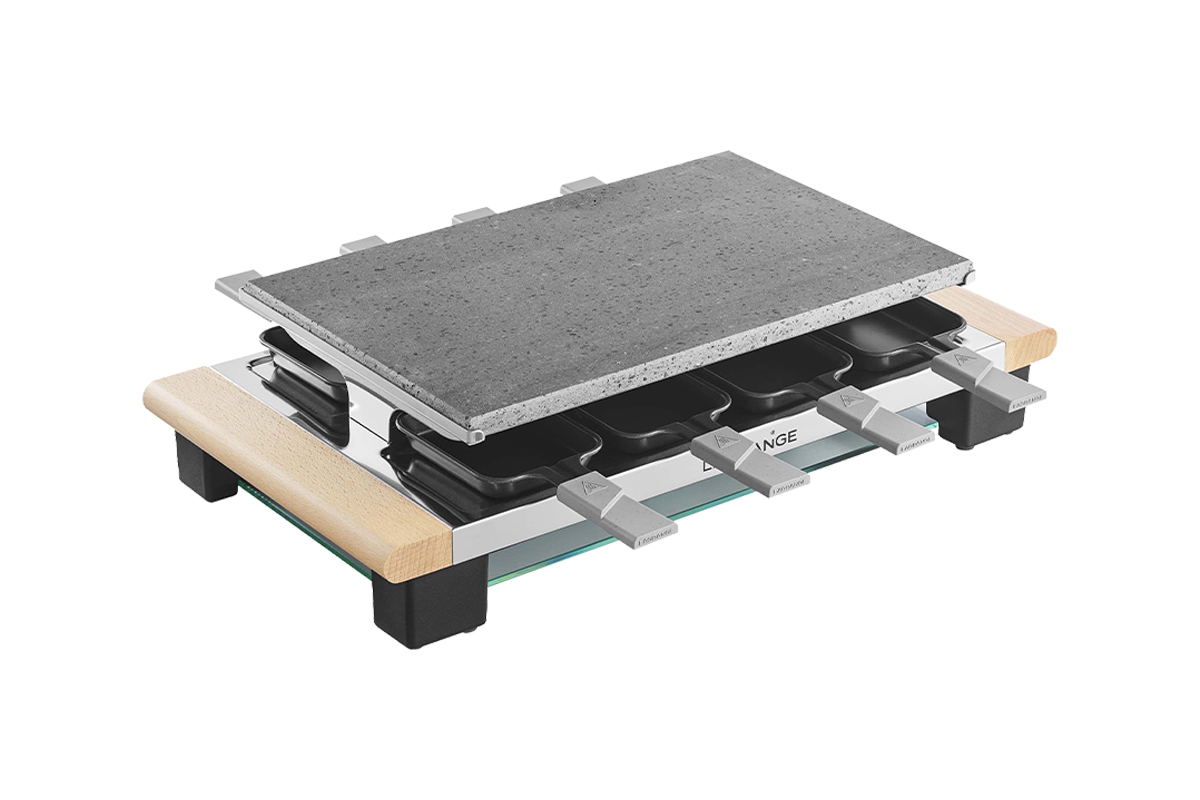
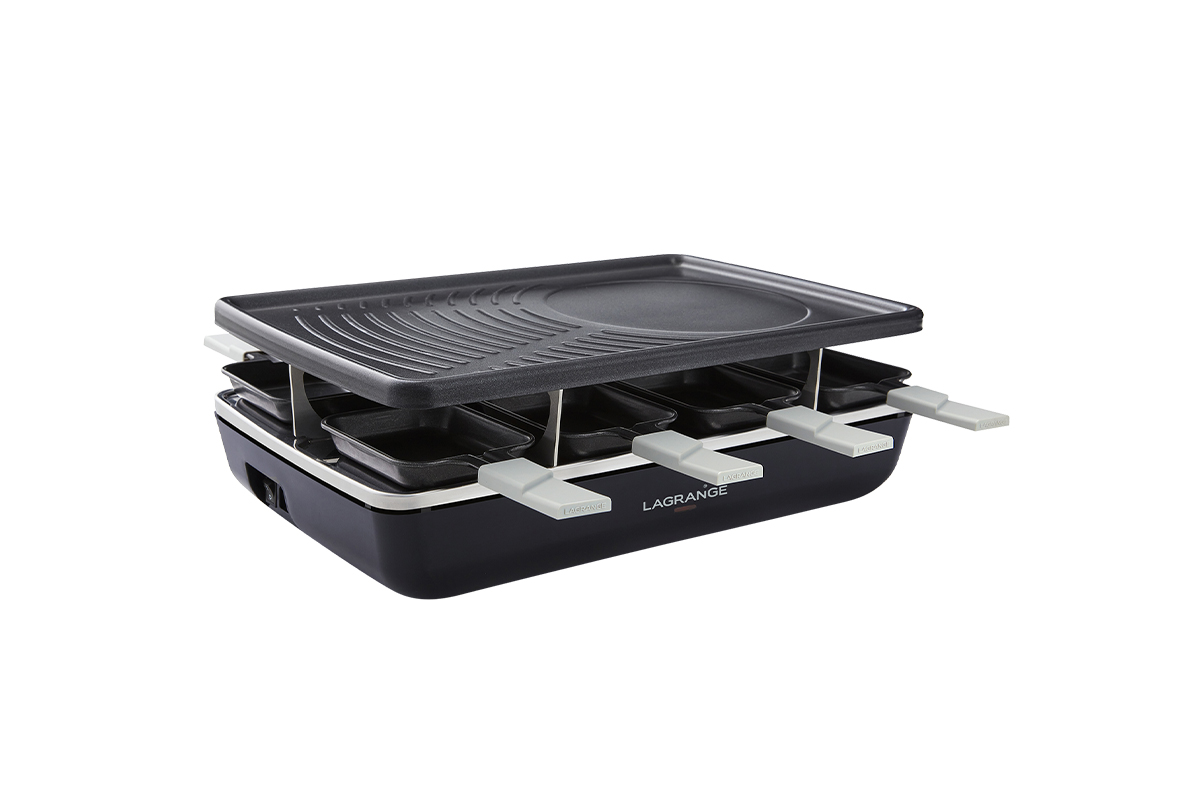
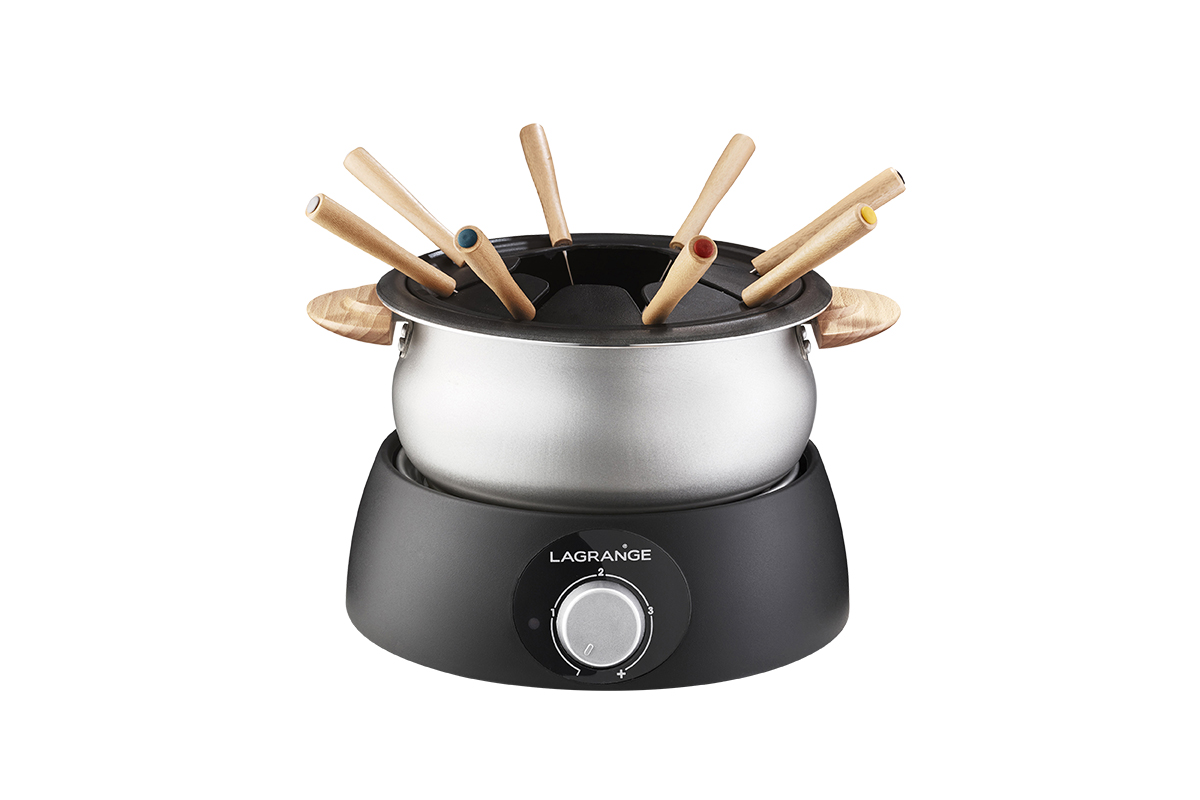
PTFE is used on the majority of Lagrange products with a non-stick coating.
Premium Gaufres® - 019XXX
Super 2 non-stick - 039XXX
4 Waffles - 089XXX
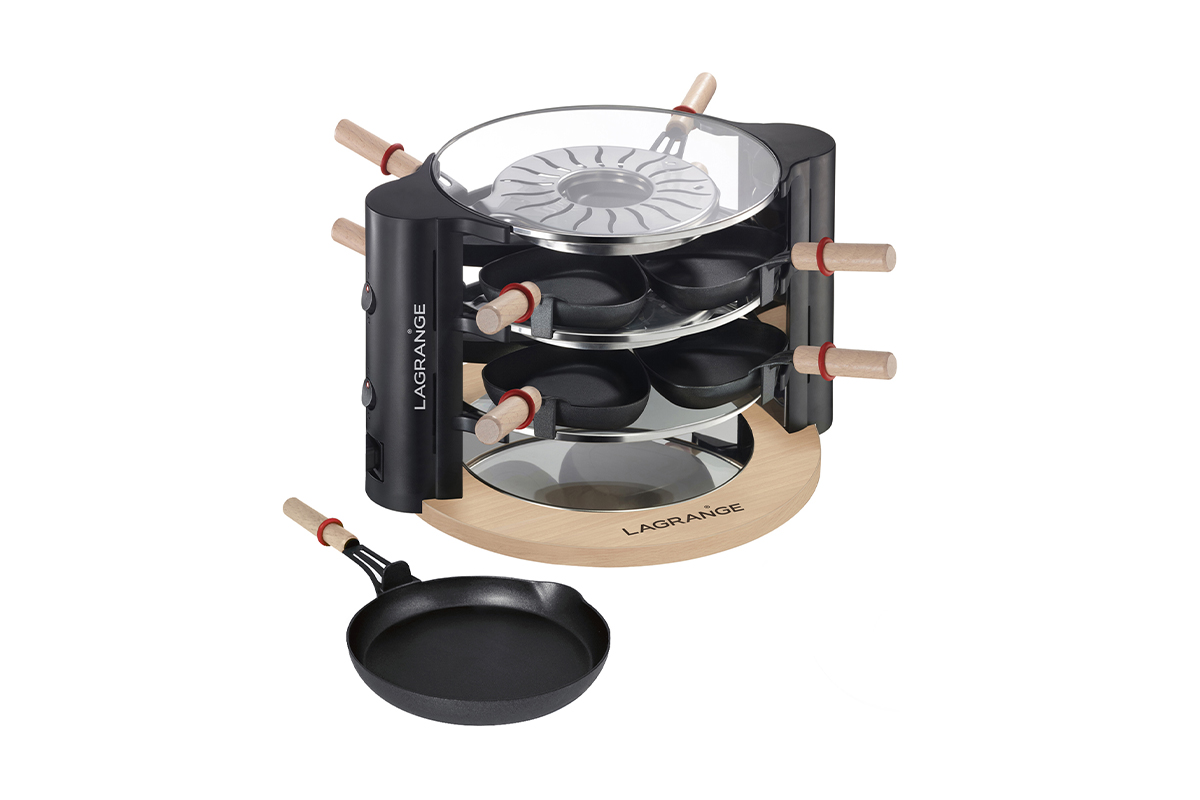
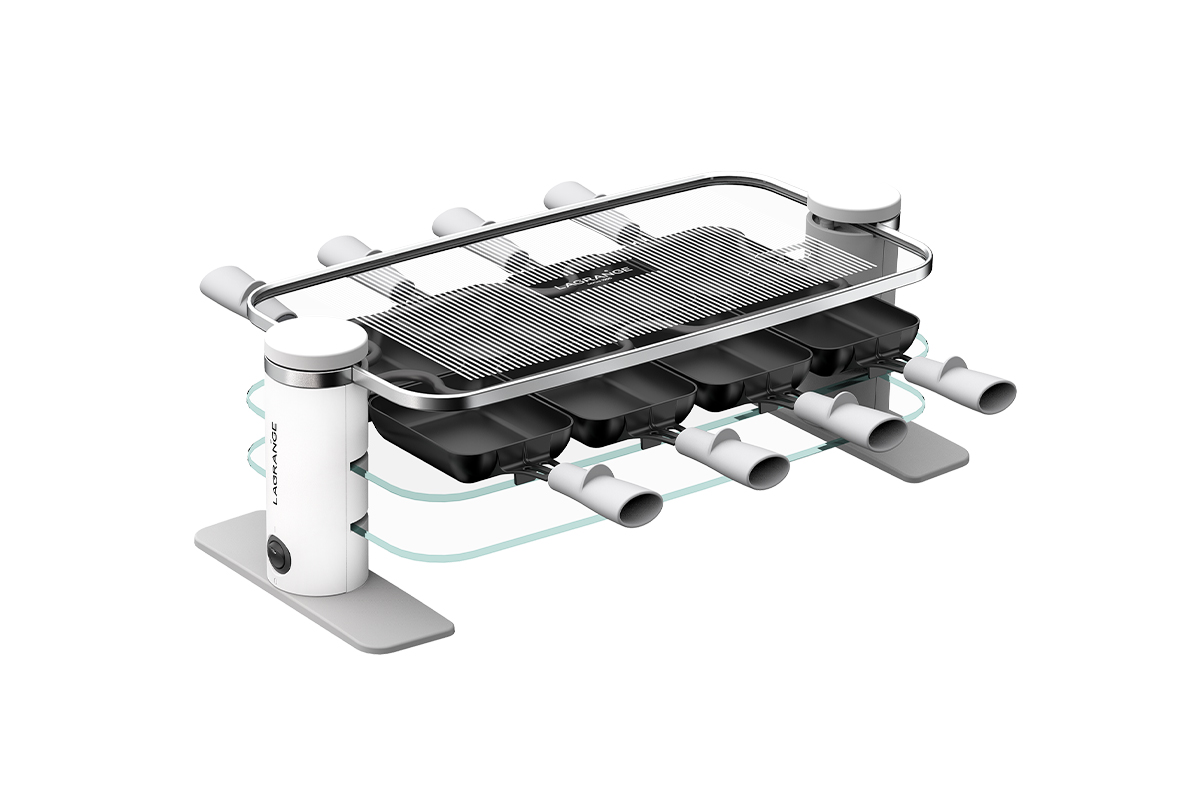
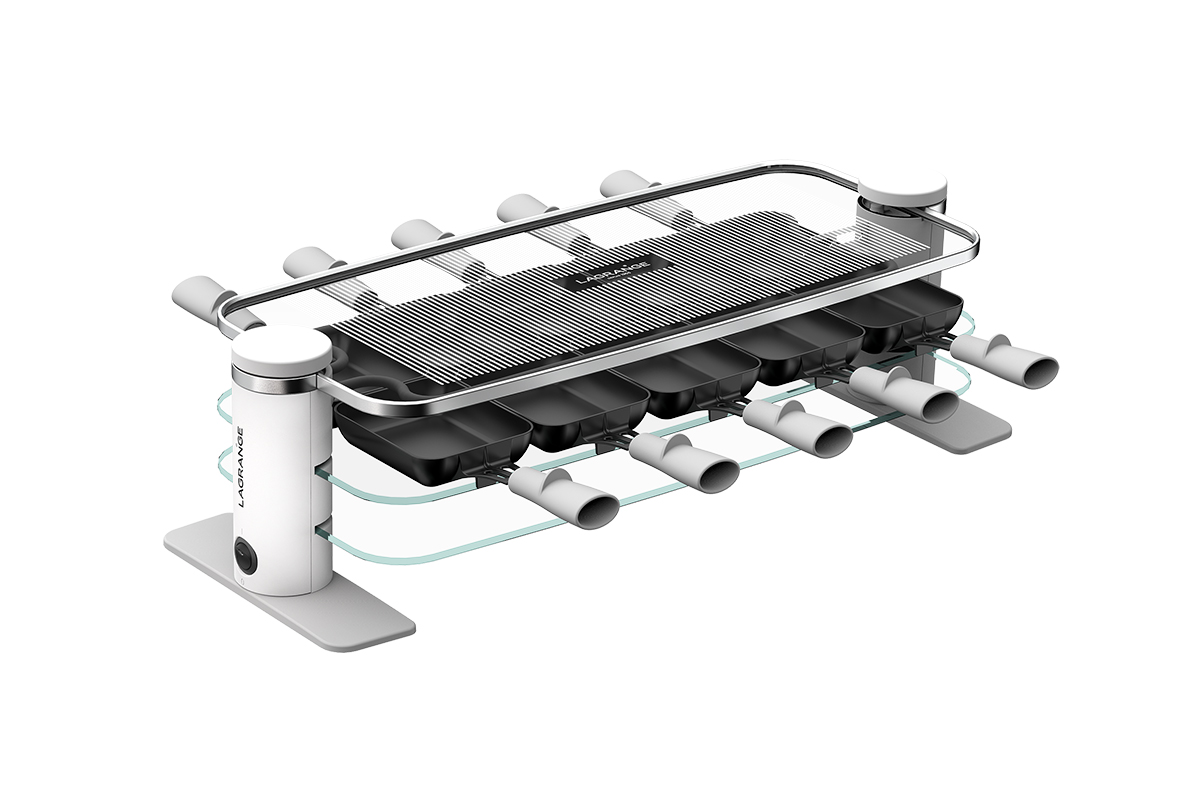
Raclette Pierre Elegance® - 39901X
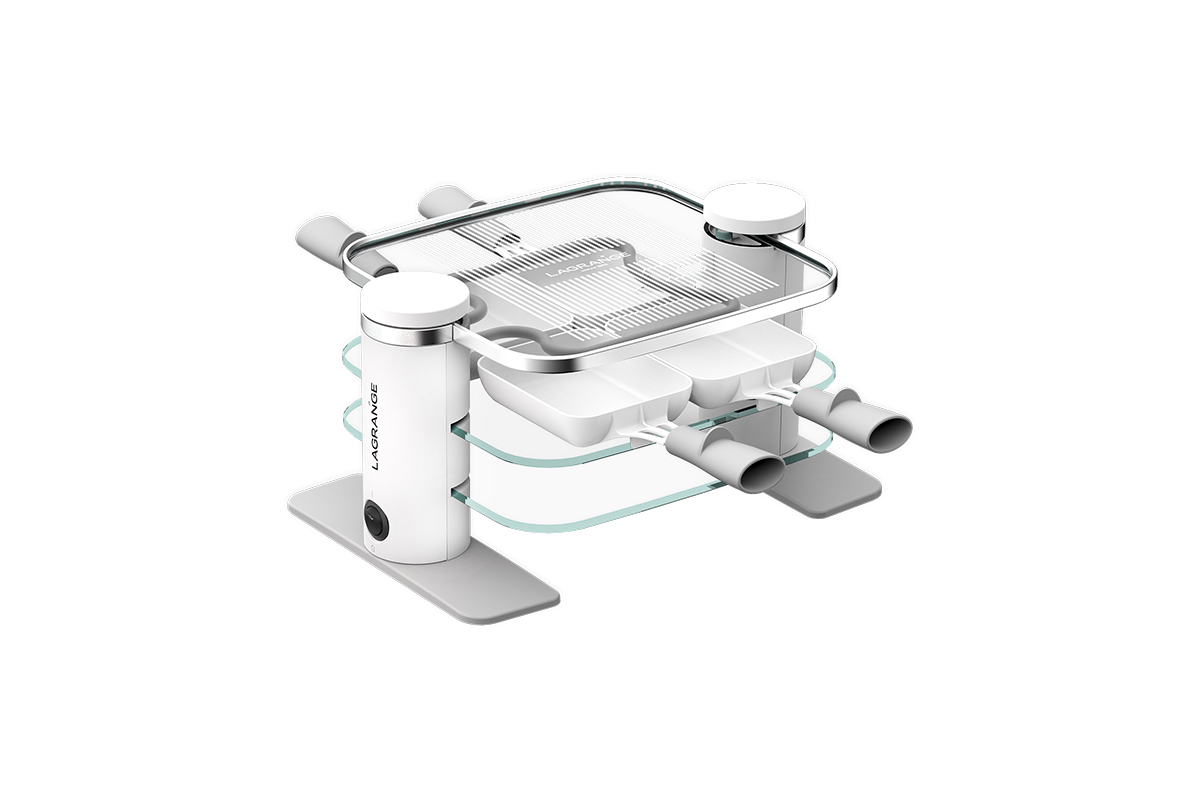
Raclette Element - 179XXX
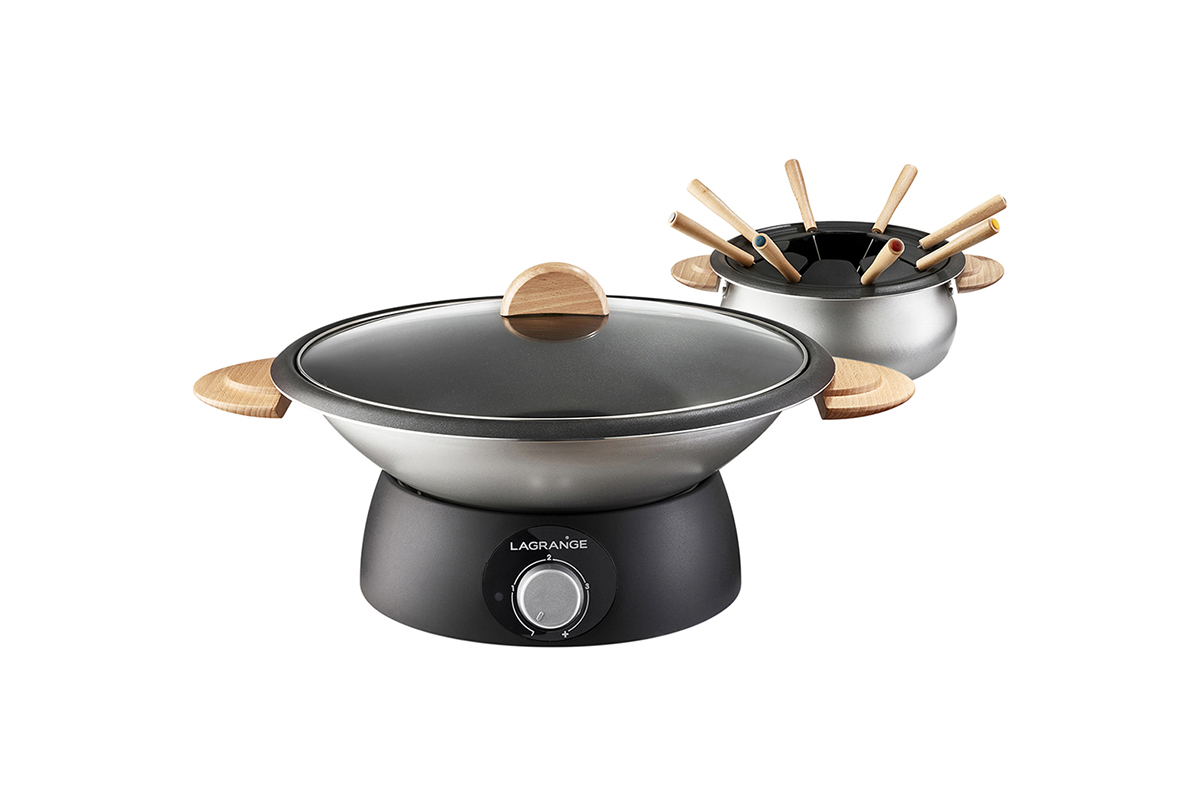
Fondue Classic - 34901X
Fondue Classic - 349019
Silicone-based non-stick coating
Silicones are inorganic compounds formed of a silicon-oxygen chain in which groups attach to the silicon atoms.
In seeking to combine the properties of carbon compounds with those of silicon compounds, researcher James Franklin Hyde invented silicones in 1938.
Silicone-based non-stick coating has similar physicochemical properties to that of PTFE.
It is slightly more expensive than PTFE coating but has better resistance to chemicals. It is also more environmentally friendly in terms of its manufacturing and destruction process. However, it is slightly less resistant to temperature and has lower durability. It is therefore an interesting option for products that are not used daily (e.g., raclette).
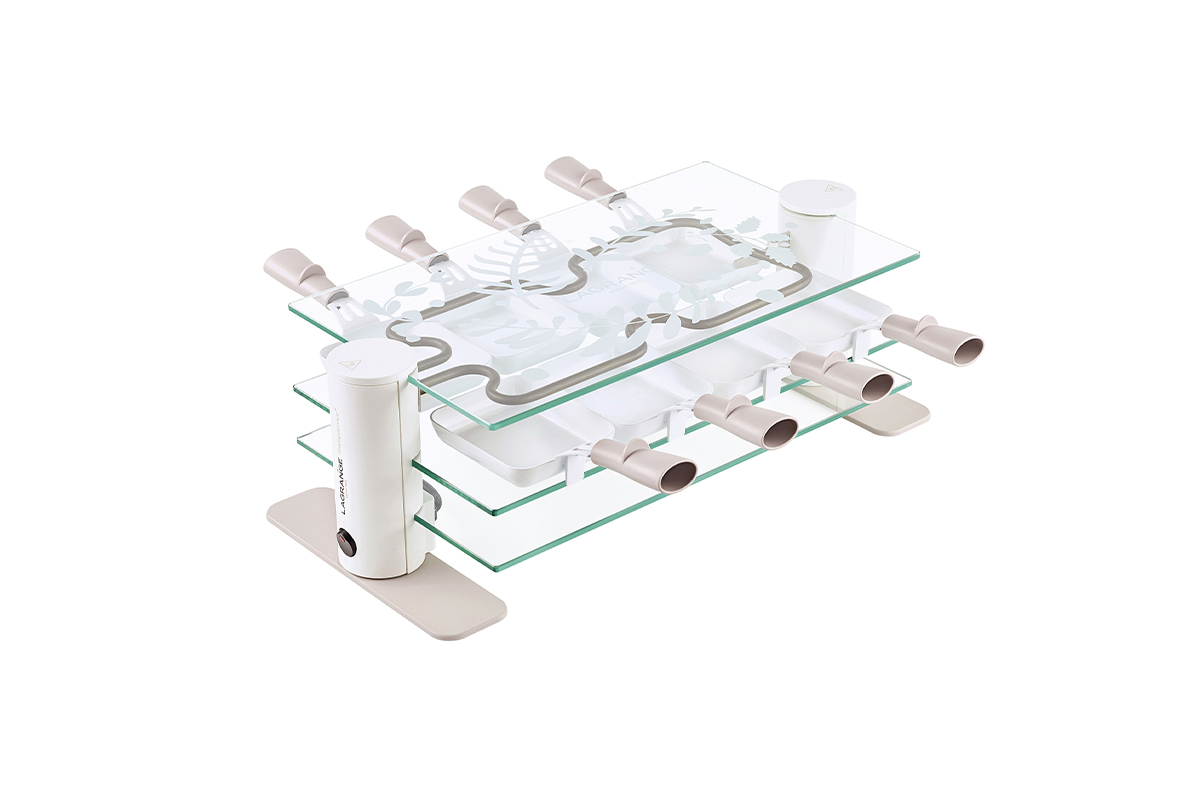
It is used at Lagrange for Evolution® (149XXX) and Transparence® (079XXX) raclette pans.
Raclette Evolution® - 14901X
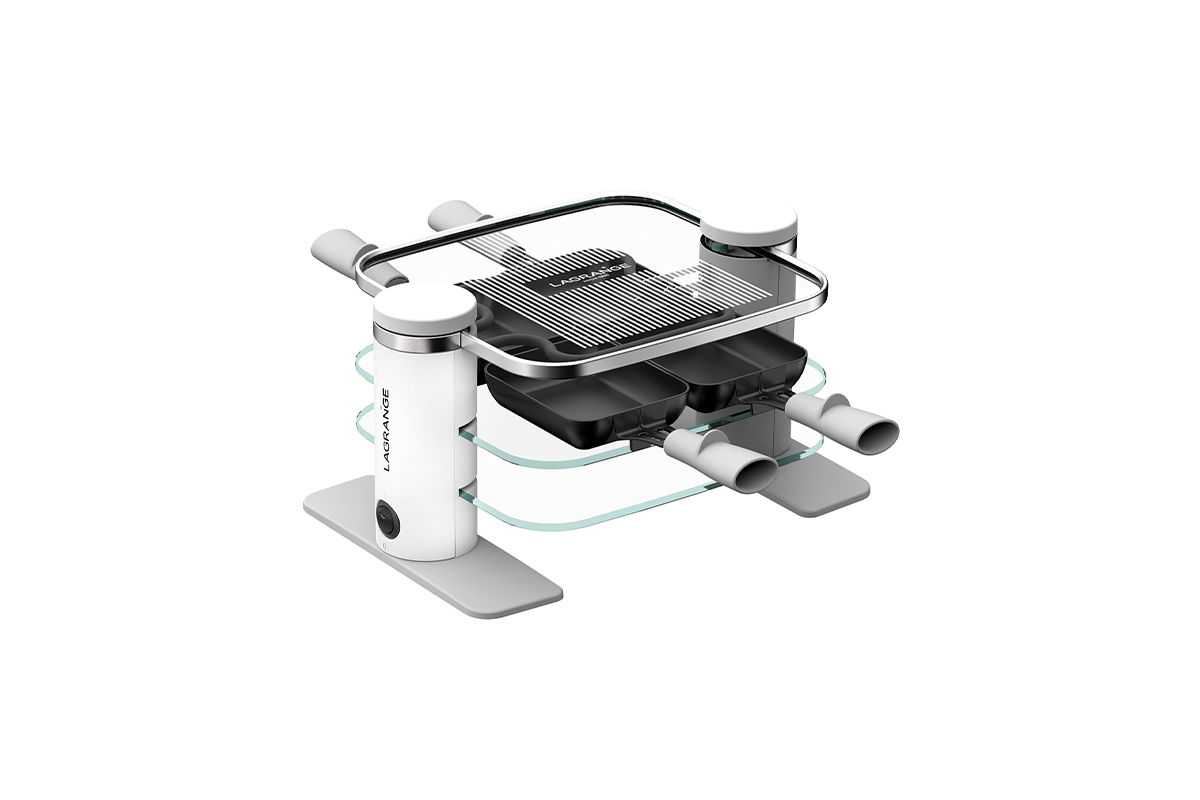
Raclette Transparence® - 079401
Raclette Transparence® - 079601
Raclette Transparence® - 079801
Raclette Transparence® - 079901
Ceramic-based non-stick coating
The ceramic coating is an inorganic material derived from stone (mainly composed of silica) that gets its non-stick properties through sol-gel processes that put tension on the material. It's the surface tension that gives the product its non-stick properties, similar to water-repellent wax.
Unlike PTFE coatings, ceramic coatings do not contain PFAS. However, they are more sensitive to micro-food deposits that can damage their surface. Microscopic islands form creating attachment points that gradually cause the product to lose its non-stick properties.
The lifespan of a ceramic coating is therefore theoretically slightly shorter than that of a PTFE coating.
To reduce the risk of micro-deposits, plates with these coatings should not be overheated or subjected to excessive thermal shock. Indeed, the ceramic coating is less flexible than the PTFE coating and therefore more sensitive to rapid expansion of the metal support on which it is applied. This risk is limited on our appliances whose temperature is regulated using thermostats and which cannot heat up as quickly as an induction cooktop.
The ceramic-based non-stick coating is currently only used for a few references but is becoming more widespread.
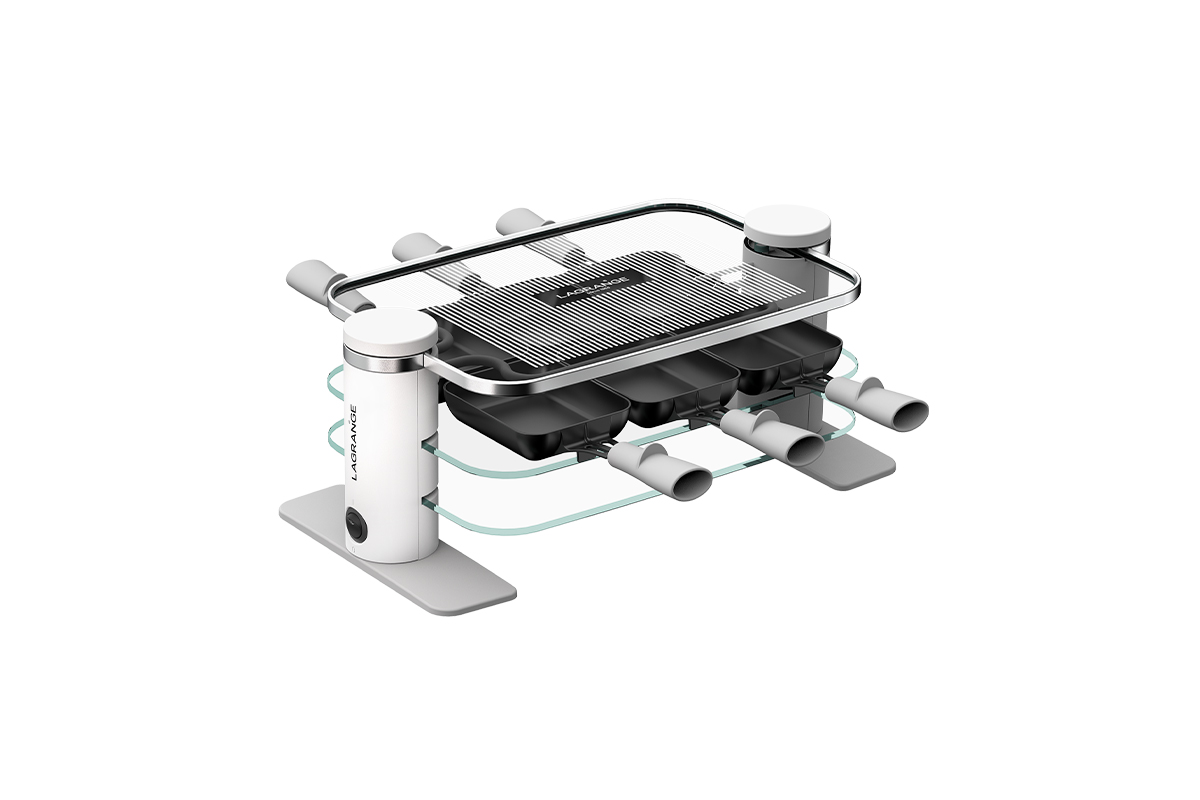
Raclette Transparence® - 009819
Raclette Transparence® - 079421
Raclette Transparence® - 079821
Fondue Prestige - 34940X
Summary table
Each non-stick coating therefore has its own characteristics, but all coatings used by Lagrange have in common that they pose no danger to the health of their users when used under recommended conditions.
The advantages and disadvantages associated with each type of coating are summarized in the table below:
Type of non-stick coating
Advantages
Disadvantages
PTFE
Safety under proper use conditions
Very high thermal resistance (260°C)
Excellent non-stick properties
Excellent durability
Proven coating (widely used for over 80 years)
Low cost
Contains PFAS (long chains)
Non-inert manufacturing and destruction process
Sensitive to scratches from metal kitchen utensils
Silicone
Safety under proper use conditions
High chemical resistance
Good temperature resistance up to 230°C
Good durability
Inert material (Ecological manufacturing and destruction process)
Contains PFAS (long chains)
Sensitive to scratches from metal kitchen utensils
Ceramic
Safety under proper use conditions
Excellent thermal resistance but more sensitive to thermal shock
Natural material
Good mechanical resistance
PFAS-free
Shorter lifespan
Can lose its non-stick properties more quickly if misused
More recent coating therefore less proven (20 years)
More expensive
Add to my wishlist
((modalTitle))
((confirmMessage))
((title))
Log in
You must be logged in to add products to your wishlist.